
Why factories face losses because of operational inefficiency
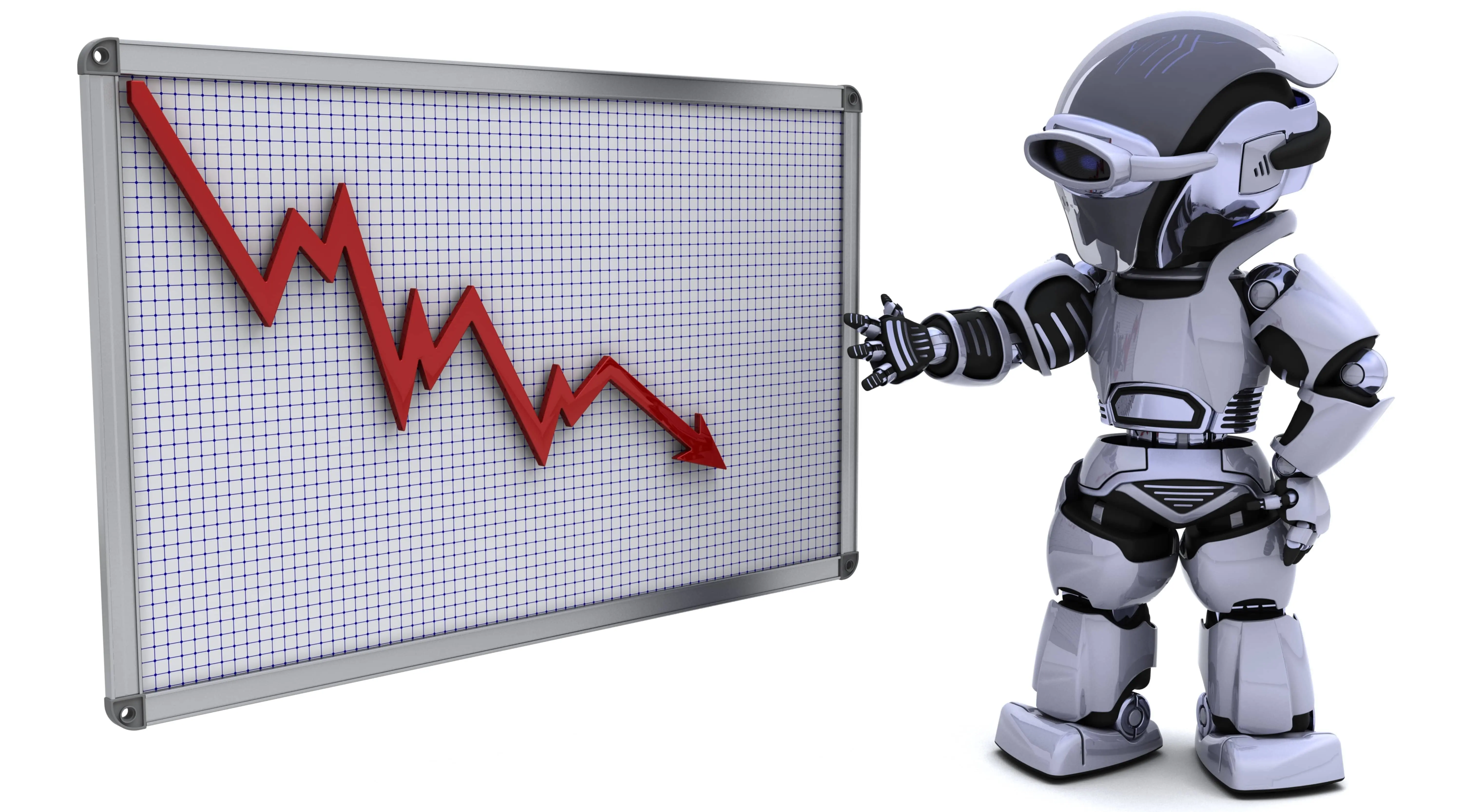
Factories can face significant losses due to operational inefficiency. Operational inefficiency means that a factory is not operating at its optimal level, and there are many factors that can contribute to this. In this blog, we will discuss some of the reasons why factories face losses due to operational inefficiency.
Production Downtime
Production downtime occurs when a factory is not producing goods due to unplanned or planned interruptions in production. This could be due to machinery breakdowns, raw material shortages, or lack of labor. Production downtime leads to lost production, missed deadlines, and increased costs
Overproduction
Overproduction occurs when a factory produces more goods than what is required, leading to excess inventory. This results in additional storage and handling costs, and the inventory may become obsolete, leading to a complete loss of investment.
Underutilization of Machinery
Underutilization of machinery means that the machines are not being used to their maximum capacity. This could be due to inefficient scheduling, lack of maintenance, or lack of trained personnel. Underutilization leads to higher per-unit production costs and lower overall productivity.
Material Waste
Overproduction occurs when a factory produces more goods than what is required, leading to excess inventory. This results in additional storage and handling costs, and the inventory may become obsolete, leading to a complete loss of investment.
Quality Issues
Quality issues such as defects, errors, or inconsistencies in the production process can lead to lost production time, additional inspection costs, and increased returns or rework. Poor quality products can lead to loss of customers and a damaged reputation for the factory.
Lack of Automation
Lack of automation means that the factory is still relying on manual processes, which can lead to increased labor costs, slower production times, and a higher risk of errors. Automation can help reduce costs and improve efficiency by automating repetitive and time-consuming tasks.
In conclusion, operational inefficiency can lead to significant losses for factories. By addressing these issues, factories can improve efficiency, reduce costs, and increase profitability. By investing in new technologies, improving processes, and training personnel, factories can reduce operational inefficiencies and remain competitive in the market.

Why factories face losses because of operational inefficiency